Dentistry Specialists
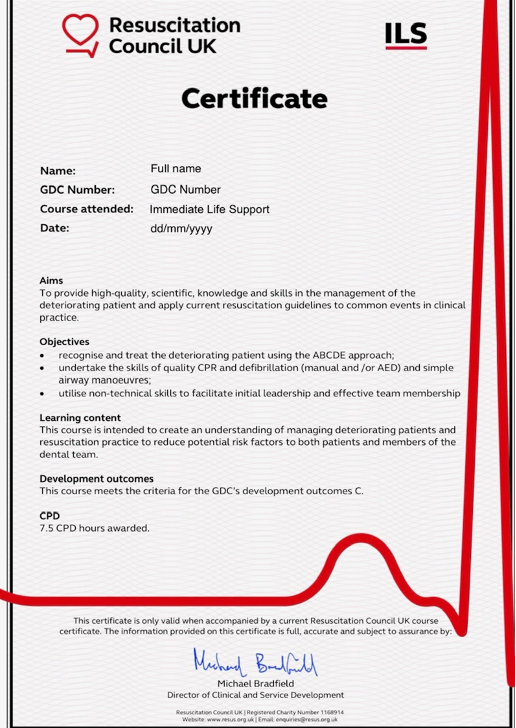
The Care Quality Commission (CQC) and General Dental Council (GDC) require dental teams to update resuscitation skills, including Immediate Life Support (ILS), at least annually. While Basic Life Support (BLS) is required for all, ILS is often recommended for those delivering intravenous sedation. Training must be accredited and meet Resuscitation Council UK standards. The GDC stipulate that as a patient could collapse on any premises at any time, whether they have received treatment or not. It is therefore essential that ALL registrants are trained in dealing with medical emergencies, including resuscitation, and possess up to date evidence of capability. General Dental Council ‘Scope of Practice’2013
Contact Us
What we offer:
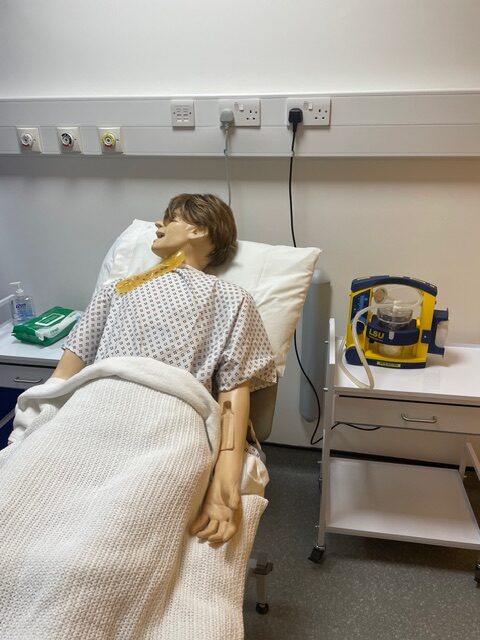
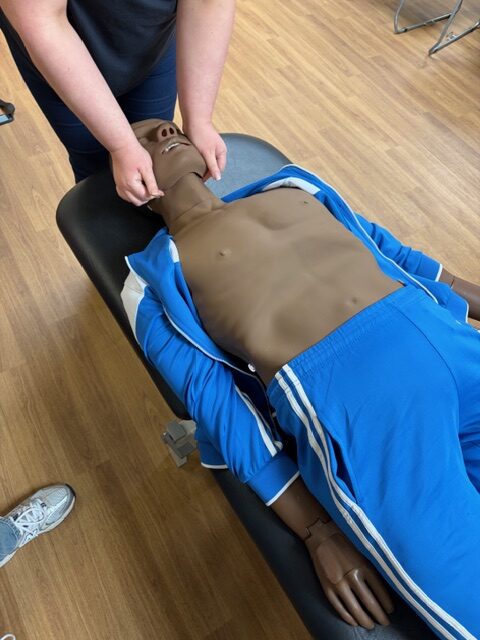
Kent Resuscitation Training offers Ensure the training provider offers CPD-certified, Level 3 courses that are defined by the Resuscitation Council UK guidelines. Kent Resuscitation Training has developed scenarios and teaching elements in line with the RCUK Quality standards for Primary Dental care in addition to advanced scenarios to support learning needs that align with the requirements set out in the Standards for Conscious Sedation in the Provision of Dental Care.
The standards state patients have the right to expect a high-quality service to meet their dental needs. This can only be achieved through robust, validated education and training of the entire dental team. Educational or training courses that teach clinical techniques preparing individuals for independent practice must include supervised clinical practice. The requirement for high quality education underpins the report.
Role specific considerations for conscious sedation provisions:
The dentist’s responsibility is to manage complications resultant from medical or dental emergencies. The sedationist, who may be a dentist, doctor or dental hygienist and therapist, must be able to manage any complication arising from the sedation itself and from medical emergencies.
The dentist, dental hygienist and therapist, sedationist and dental nurse must be competent in life support. The role of each of member of the team must be clearly defined and the procedures to be followed known and rehearsed at regular intervals.
The standards advise dentistry organisations must be evidence of regular scenario-based team training in the management of potential complications associated with conscious sedation. The provider of dental care and the provider of the sedation service must be able to maintain life support for a patient until such time as the emergency services are able to attend. This is something Kent Resuscitation Training can provide by way of simulated activities and debrief learning tools.
Practitioners must be able to provide age-appropriate Immediate Life Support as defined by the main elements of the Resuscitation Council (UK) ILS and PILS training programmes. (The dental faculties of the royal colleges of 2020 surgeons and the Royal College of Anaesthetists)
Resuscitation Council UK courses can be formally counted towards verifiable CPD requirements for the General Dental Council (UK). A valid course certificate should be kept alongside the CPD certificate for records.